







 PLASTIK token
 Our sustainable mission
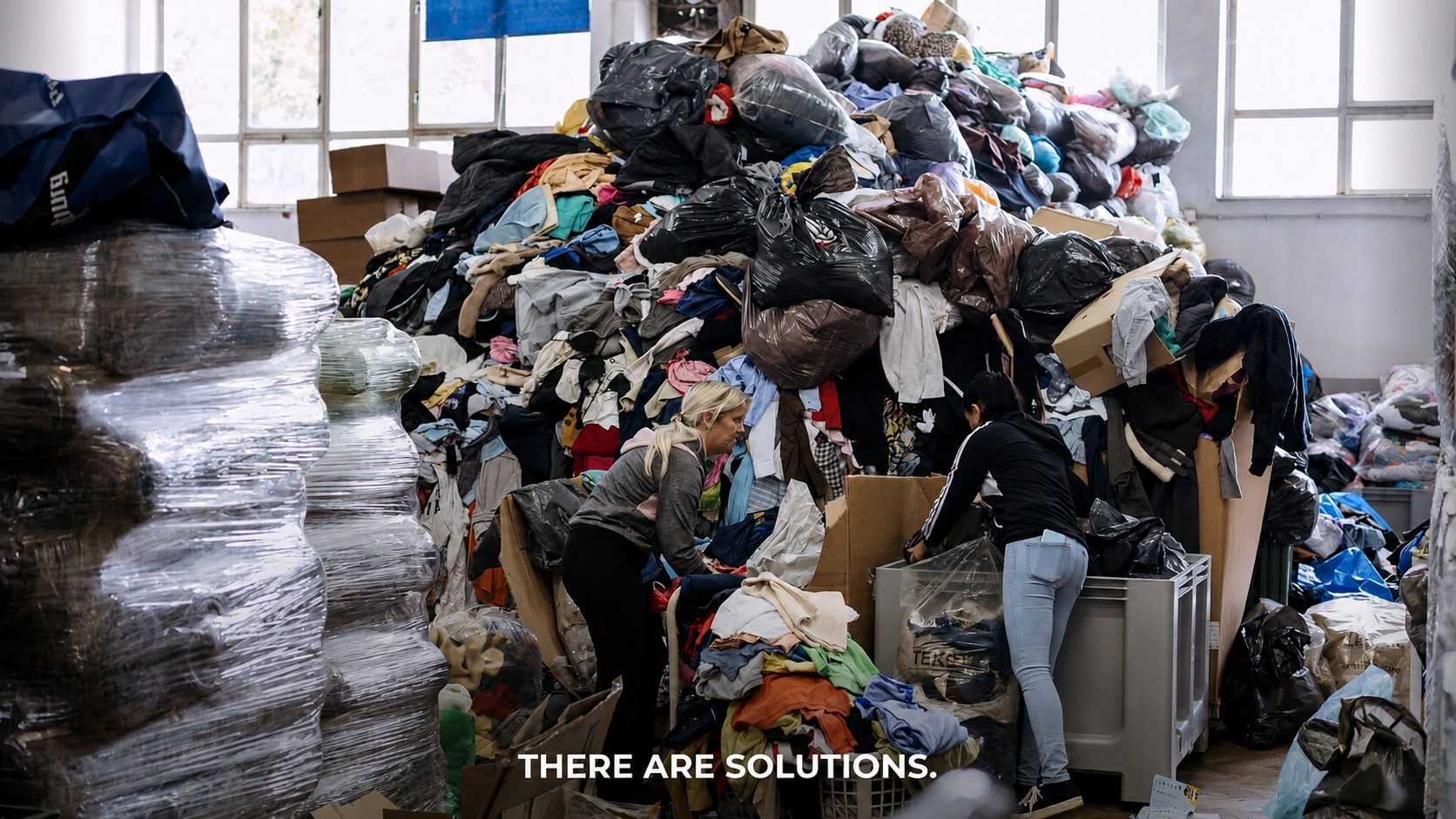
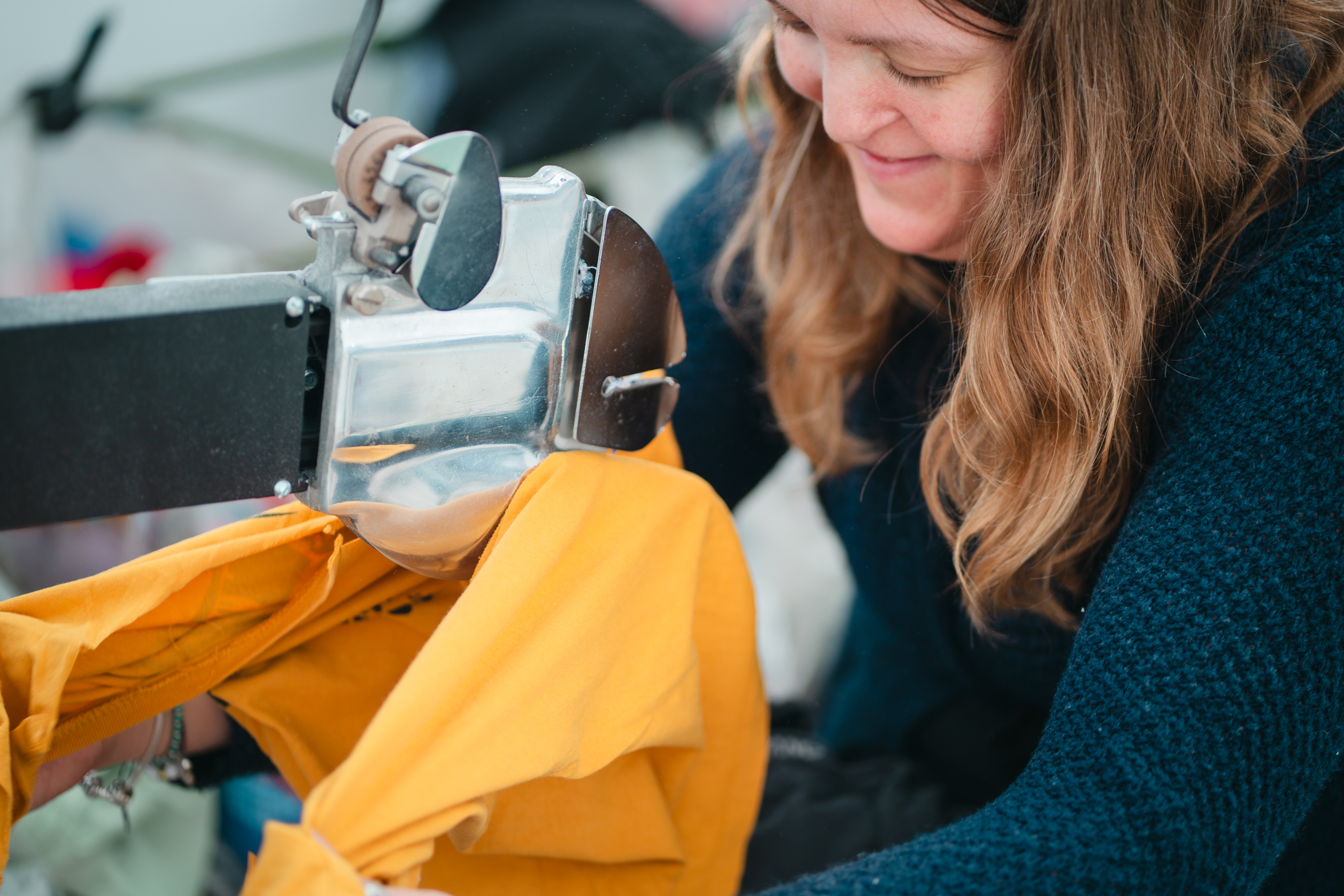
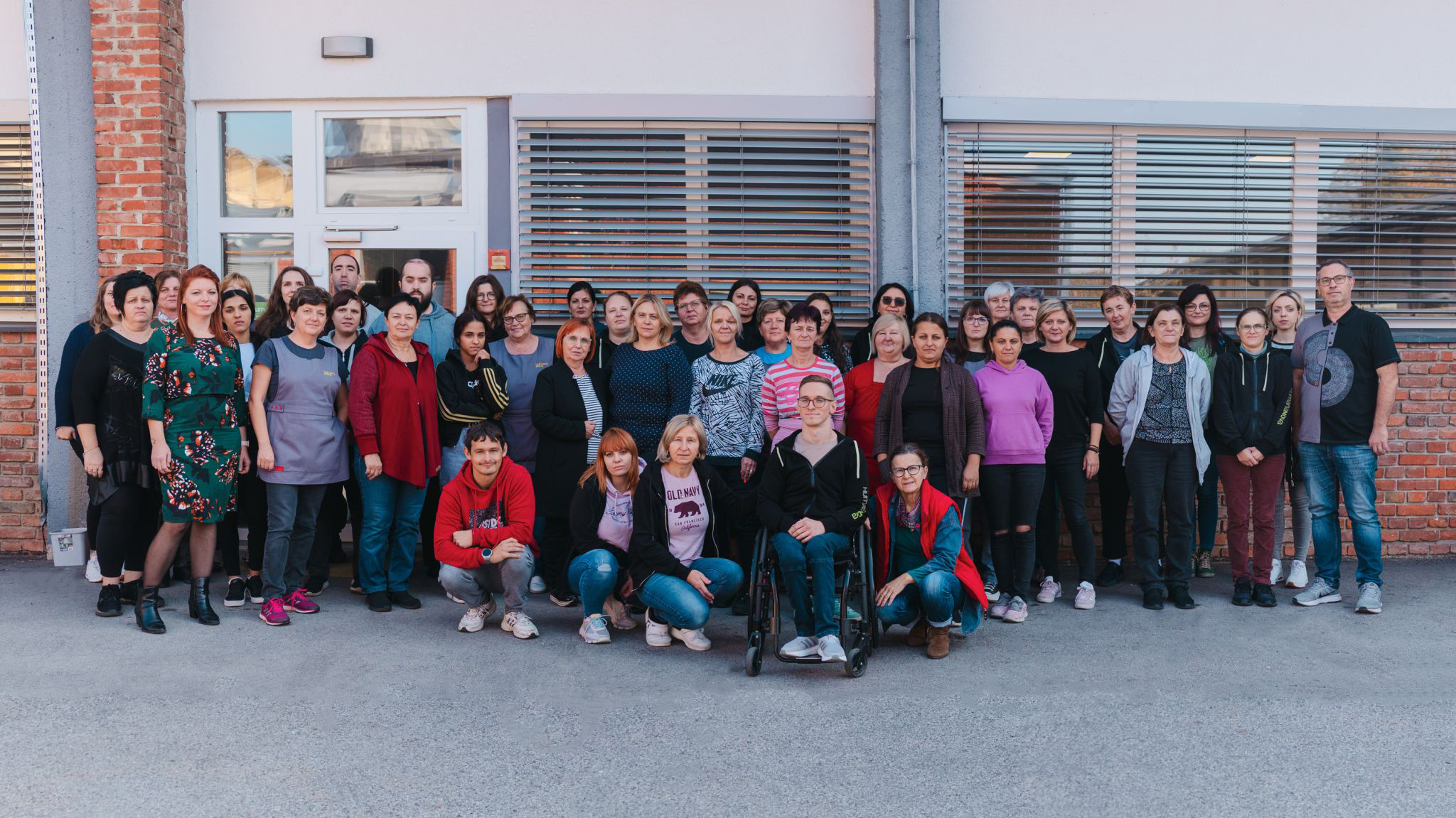
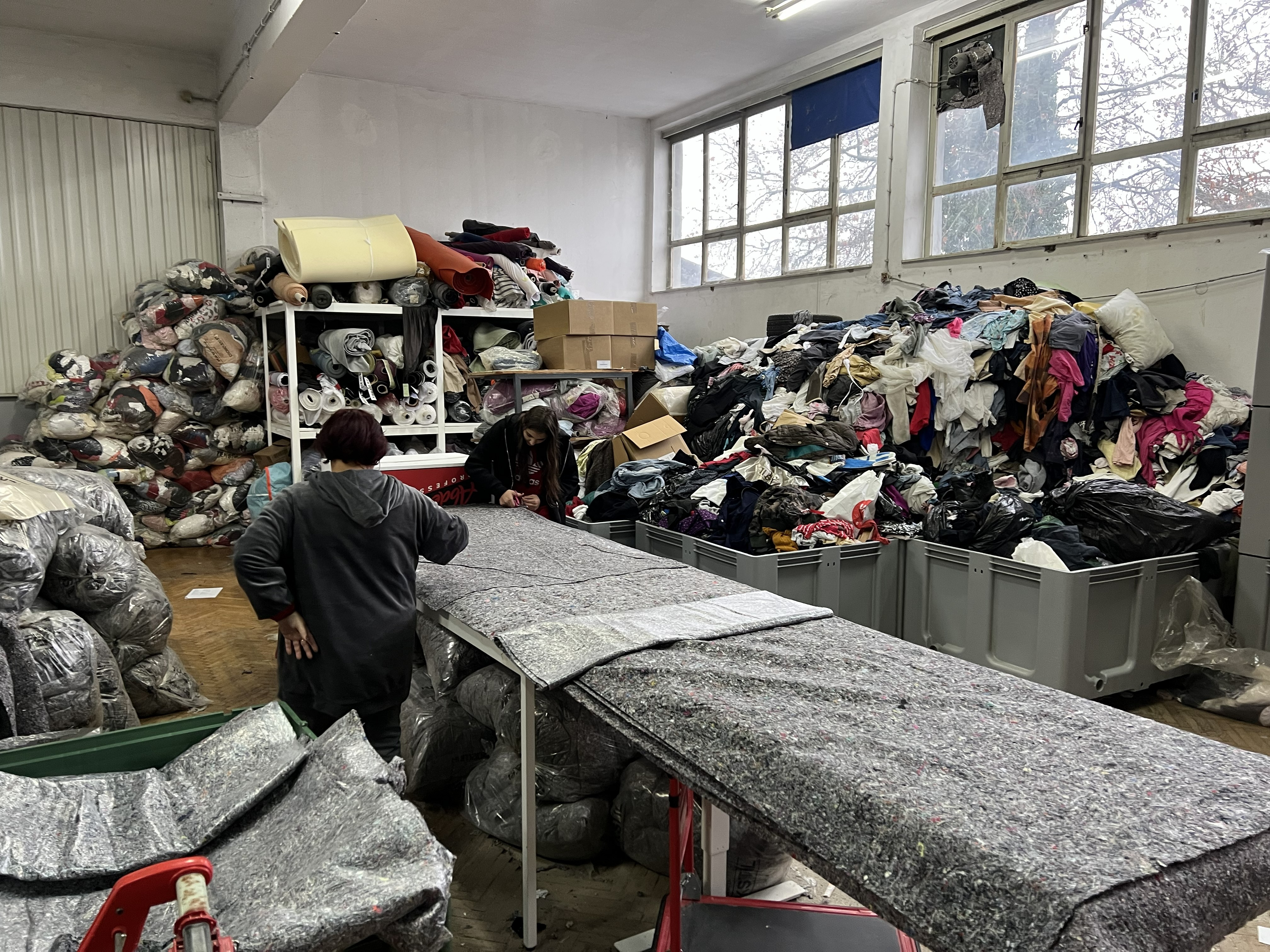
In our circular textile waste management model, we collect unwanted clothing from your wardrobe, textile offcuts from tailoring, and surplus textiles from manufacturing. If you want to dispose of textiles responsibly while supporting the employment of people who face barriers to the labour market, we can help. Every textile we receive is managed responsibly and given a new purpose. Our process includes: Collecting textiles. Sorting and grading materials. Reusing (REUSE) wearable textiles or donating them to people in need. Producing industrial cleaning cloths. Redesigning, repurposing and upcycling textiles. Recycling textiles in cooperation with Regeneracija Nonwovens, where they are processed into felt. The felt (nonwoven textile) is then prepared for export to customers across the European Union. This closes the loop by giving discarded textiles a new life while creating meaningful employment opportunities for people from vulnerable and marginalized groups. Humana Nova employs 61 people, including 38 people with disabilities and 21 people from vulnerable groups. We use environmentally certified, locally sourced and recycled materials whenever possible, creating added value for our employees, our partners, and the wider community.


Who We Are Social Cooperative Humana Nova is a Croatian non-profit work integration social enterprise founded in 2011 with a mission to create positive environmental and social impact through circular economy principles. It was established to address unemployment among persons with disabilities and other vulnerable groups while tackling textile waste. Today, Humana Nova employs more than 60 people, the majority from vulnerable groups. Our cooperative model enables democratic decision-making, shared ownership and the reinvestment of economic value into social inclusion and environmental protection. Our Journey The beginning was far from easy. We started with textile collection campaigns and gradually built a regional collection system with municipal utility companies. We expanded into second-hand markets, industrial rags production, recycling partnerships, upcycled products, contract manufacturing (lohn) and our own product collections. Today, over 80% of our income is generated through commercial activities. Building a Resilient Business Model Persistence, diversification and innovation have shaped our growth. We deliver eco-design and circular textile solutions across the value chain—from collection and sorting to reuse, redesign, manufacturing and recycling—while remaining committed to the triple bottom line: People, Planet and Prosperity. Our Strategic Objectives Are To: - create sustainable employment for vulnerable groups; - extend textile lifespan through reuse, redesign and recycling; - reduce textile waste through circular business models; - strengthen circular partnerships and value chains; - reinvest surplus into innovation, digitalization and social impact. Future Direction Our vision is to develop a scalable social franchise model that enables other regions and communities to replicate Humana Nova's approach, multiplying environmental and social impact across Europe.
your impact!

Share this link via


Or copy link

Our top supporters
Sustainable Campaigns

Types of plastics

Croatia, Međimurska županija.


Croatia, Međimurska županija.
 Back
Back
Croatia, Međimurska županija.
What is a Plastic Credit (PC)?
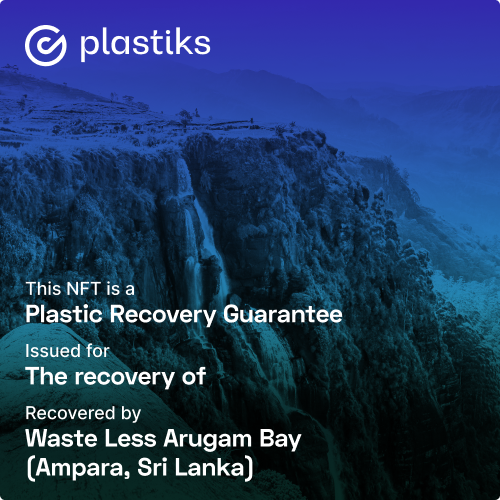
The Plastic Credit (PC) is an NFT. The PC is rooted in real recovery data and is accessible for anyone to view. The information is stored on the blockchain for transparency, and traceability and is represented as a digital certificate.
A PC is proof that plastic was recovered and recycled.
You will receive the PC when you support the recovery of plastic. The images shown are from the flora & fauna from the location where the plastic is recovered.
Croatia, Međimurska županija.